
Is Now Still A Good Time To Build A Home?
 |
If you’ve been thinking about building a new home, you may be asking yourself a familiar question:
Should we build now, or wait?
It’s an understandable question.
Canadians have experienced several years of changing interest rates, rising construction costs, inflation, supply-chain challenges and economic uncertainty. For many people, that uncertainty has made it tempting to put their building plans on hold and wait for conditions to improve.
But when it comes to building a home, there may never be a single “perfect” time when interest rates, construction costs, material prices, and the housing market all line up.
Instead of trying to time the market perfectly, it may be more helpful to look at where things stand today and ask a different question:
Does building make sense for you and your plans?
Interest Rates Are More Stable
Financing has been one of the biggest concerns for Canadians considering a new home.
As of September 2026, the Bank of Canada’s policy interest rate is 2.25%, considerably below the peak levels Canadians experienced during the recent period of higher rates.
Mortgage and construction financing rates will vary depending on the lender, type of financing, and individual borrower. However, greater stability in the Bank of Canada’s policy rate can provide a better environment for homeowners to begin evaluating financing options and establishing a realistic project budget.
If financing has been one of the reasons you’ve delayed your building plans, it may be worth revisiting the numbers with your lender or financial advisor.
Construction Costs Are Still Increasing
Another reason some people choose to wait is the hope that construction prices will eventually fall.
Current data suggests that significant price declines aren’t something homeowners should automatically count on.
According to Statistics Canada, residential building construction prices across the 15 metropolitan areas it tracks increased 2.3% year-over-year in the second quarter of 2026. Prices also increased 0.5% compared with the previous quarter.
While these increases are more moderate than the significant fluctuations experienced during the years surrounding the pandemic, construction prices are still moving upward.
It’s important to note that these figures represent Statistics Canada’s residential building construction price index for 15 metropolitan areas and do not represent the exact cost of every home-building project in Canada. Costs can vary significantly depending on location, design, site conditions, labour, transportation, materials, and other project requirements.
So, will waiting make your future home less expensive?
No one can know for certain.
What the current data does show is that waiting for construction prices to fall significantly comes with uncertainty of its own.
Planning May Be More Important Than Perfect Timing
Interest rates change. Material prices fluctuate. Labour costs evolve. Housing markets strengthen and soften.
Trying to wait until every economic indicator points in the same direction can make it difficult to know when to move forward.
Instead, consider the factors that are specific to your project.
Do you have suitable property?
Do you have a realistic idea of what you can afford?
What type and size of home do you need?
What features are most important to you?
When would you ideally like to begin construction?
Answering these questions can be far more useful than trying to predict exactly what interest rates or construction costs will do six months or a year from now.
And starting to plan doesn't mean construction needs to begin tomorrow.
The earlier you start exploring your options, the more time you have to understand costs, investigate financing, evaluate your property, refine your design, and make informed decisions before construction begins.
Building Gives You Something Buying Existing Often Can’t
The decision to build isn't simply about comparing the price of a new home with the price of an existing one.
Building allows you to create a home around how you actually want to live.
Instead of adapting your lifestyle to someone else's floor plan, you can make decisions about your home from the beginning.
That could include:
-
The overall size and layout of your home
-
Number and location of bedrooms and bathrooms
-
Kitchen and entertaining spaces
-
Window placement and natural light
-
Storage and mudroom space
-
Home offices or flexible rooms
-
Covered outdoor living areas
-
Garages and workshops
-
Accessibility and aging-in-place considerations
-
Energy-efficiency features
-
Future needs and lifestyle changes
A thoughtfully designed new home can also incorporate today's building practices, materials, and energy-efficiency standards to help improve comfort, efficiency, and long-term performance.
Your Property Should Help Shape Your Home
If you already own land, your property can play an important role in determining what you build.
Views, sunlight, slope, driveway access, prevailing weather, privacy, septic requirements, and the orientation of the property can all influence the design of a home.
Rather than choosing a home plan first and trying to make it fit the property afterward, considering your site's characteristics early in the design process can help you create a home that works with the land.
This is another reason why starting the planning process early can be valuable, even if you aren't ready to build immediately.
How Prefabrication Can Help Create a More Predictable Building Process
At Winton Homes & Cottages, much of the structural package for your home is manufactured in our controlled facility in Prince George, BC, before being delivered to your building site.
This approach allows structural components to be manufactured with precision in a controlled environment rather than completing every stage of framing from raw materials on site.
Winton home packages can also be customized to suit the homeowner, property and project. You can start with one of our existing home designs and modify it or work with our Design Team to develop a custom solution.
Our goal is to help homeowners enter the building process with a clear plan and a better understanding of what comes next.
So, Is 2026 a Good Time to Build?
There isn't one answer that applies to every homeowner.
Your finances, property, lifestyle, location, budget, and timeline ultimately matter more than any single economic indicator.
What we do know is that, as of September 2026, the Bank of Canada's policy rate is well below its recent peak, while Statistics Canada's latest data shows residential construction prices continuing to increase at a more moderate pace.
For people who already know that building a home is part of their future, the question may not be about finding the perfect time.
It may be about giving yourself enough time to plan the right home and make informed decisions along the way.
Start Planning Your Winton Home
For more than 50 years, Winton Homes & Cottages has helped homeowners build prefabricated homes, cottages and cabins throughout Western and Northern Canada.
You don't need to have every detail figured out before you contact us.
Maybe you already own property and have a design in mind. Maybe you've found a Winton plan you like but want to make changes. Or maybe you're still trying to understand what you can build within your budget.
That's exactly what the planning stage is for.
Don't wait for the perfect market. Start planning for the right home.
Contact a Winton Specialist or submit an inquiry through our website to tell us about your property, ideas, and building plans.
Discover a better way to build with Winton Homes & Cottages.
Contact Winton Homes today to start planning your Open Concept Prefab Home!
 |
More Blogs
Retirement is about slowing down and enjoying life in a home that truly suits you. At Winton Homes, we design spaces that are simple, low-maintenance, and easy to navigate---whether you're downsizing or seeking comfort and convenience first.
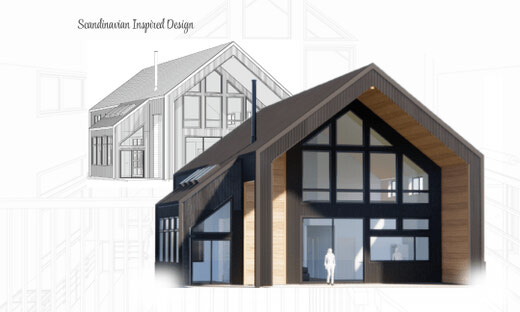
As we unveil our newest Scandinavian-inspired home, we're excited to highlight what makes this design style not only beautiful but practical---especially for those living in the varied climate of Western Canada.
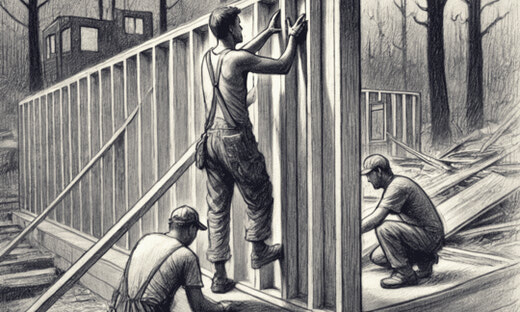
Winton Homes stands with all the communities that have been affected by wildfires, offering support and resources during these challenging times.
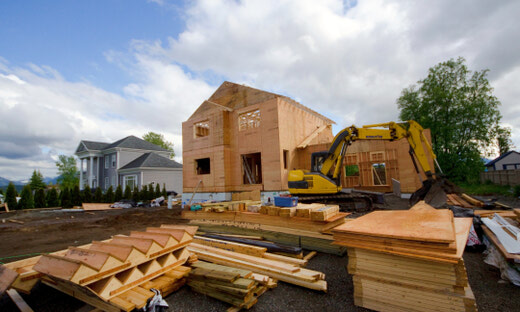
As Canada continues to face an ever-growing demand for housing, recently the Prime Minister announced the Build Canada Homes (BCH) initiative, a national plan focused on accelerating the creation of affordable and sustainable homes across the country.
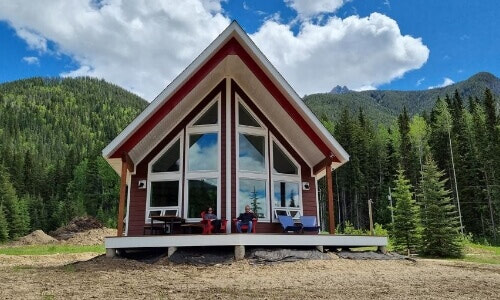
With rising interest rates, limited housing supply, and increasing rental costs across Canada, homeownership is becoming more challenging. A prefab home from Winton Homes offers a smarter, more affordable way to own property.
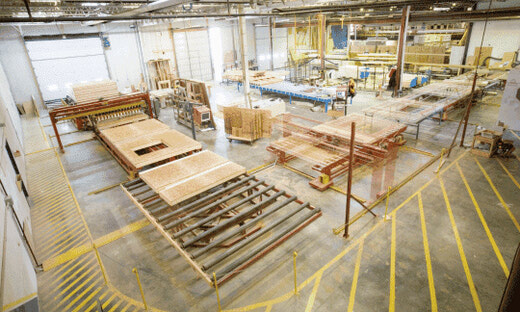
Winton Homes is proud to be an active participant in the BC Housing Level Up Manufacturers roundtable project, an initiative dedicated to revolutionizing the way we think about and build mid-rise residential buildings.
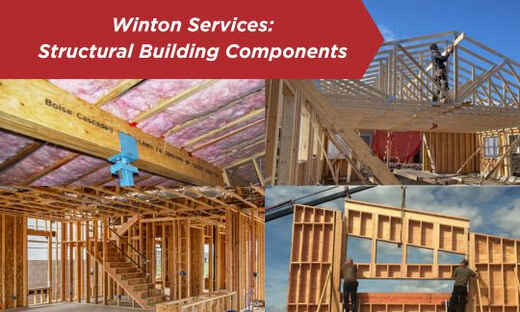
Whether you're a homeowner, builder, or commercial developer, Winton's components are engineered for precision, designed for efficiency, and delivered ready to assemble. Here are just a few of the additional services and products we offer:
Share the Experience, Reap the Rewards! We're excited to introduce our new referral program, designed to reward you for spreading the word about Winton Homes.

As 2024 comes to a close, we at Winton Homes want to take a moment to reflect on the wealth of knowledge, insights, and inspiration shared through our blog this year.
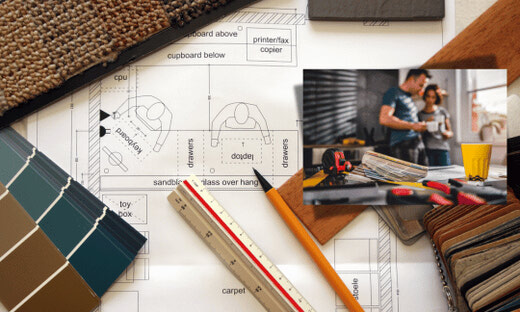
At Winton Homes, we understand that your home is your sanctuary, and we're here to help you bring your renovation dreams to life using our high-quality structural building components.
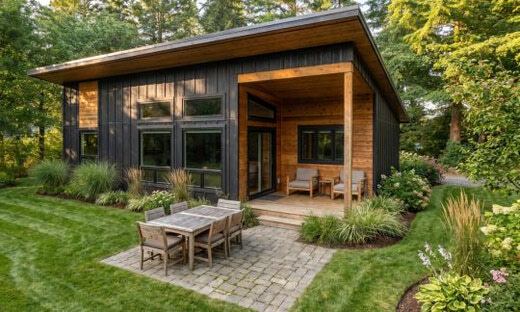
Building a home is one of the biggest investments you'll make, and deciding how it will be built is just as important as choosing the design itself. While traditional stick-built construction remains common, more homeowners across Western Canada...
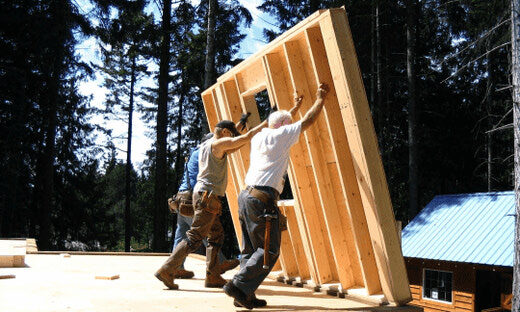
Prefab homes, represented by leaders in the field like Winton Homes and Cottages, hold significant promise as part of the solution to Canada's housing crisis.
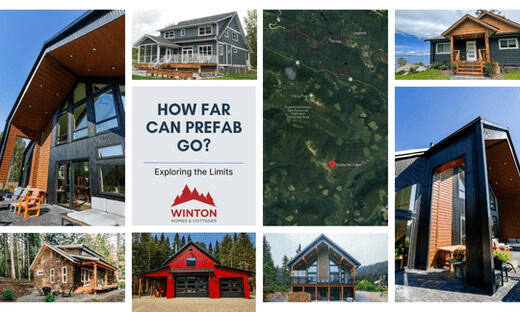
Prefab homes have come a long way from their humble beginnings. Today, the possibilities of prefabricated construction seem almost limitless, raising the question: how far can prefab really go?
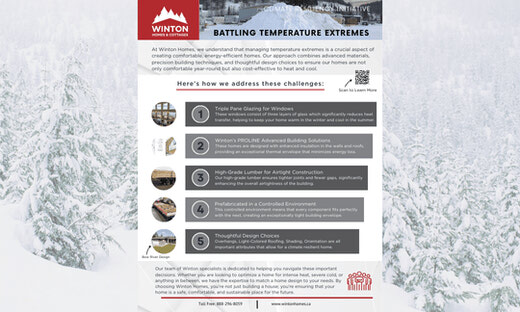
As we continue to experience more severe temperature fluctuations, it's increasingly important to ensure our homes can withstand these extremes. Here's how we're tackling temperature extremes.
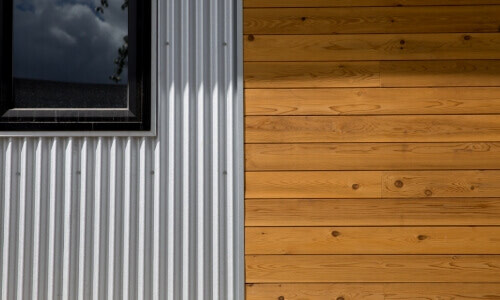
Selecting the perfect colour scheme for your Winton prefab home is an exciting step in the design process. Your exterior sets the tone, making a lasting first impression---so choose colours that reflect your style and enhance your home's beauty.
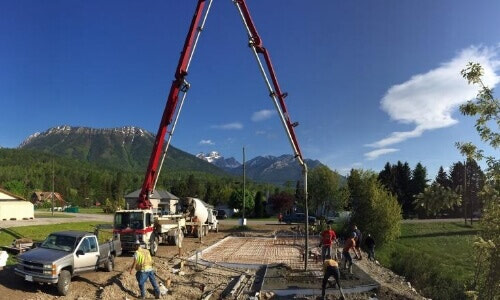
Winton Homes in Prince George specializes in building prefabricated homes BC residents love. We make the process of building a factory-built home and cottage easy. Learn more about how it works.
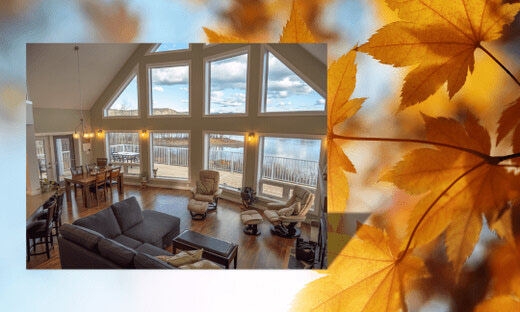
Winton's contemporary designs offer the ideal setting for fall, with open-concept layouts, large windows, and spaces that invite the beauty of the season inside.
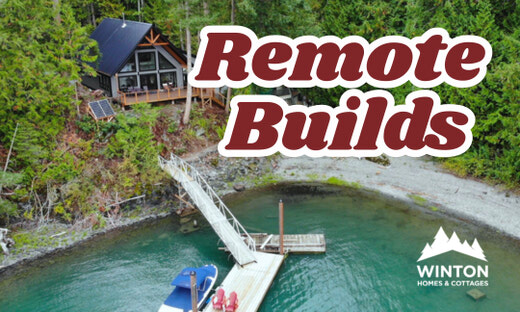
Whether you're building on an island, up a mountain road, deep in the forest, or at your lakefront getaway, Winton's remote-delivery expertise helps you get the structure you need, where you need it.
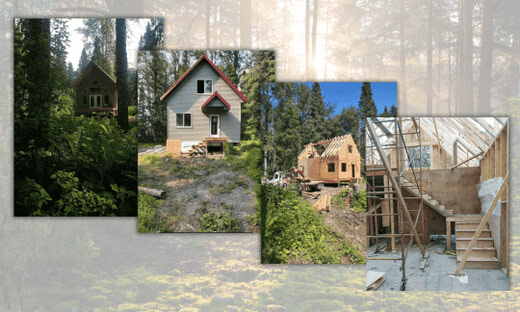
For Weekend Warriors, the call of the open road and the allure of nature never fades. Whether it's spontaneous weekend getaways or well-planned adventures to scenic destinations, the thrill of travel and exploration is part of your lifestyle.

As the summer winds down and families prepare for the back-to-school season, it's a time of new beginnings, fresh routines, and the opportunity to create a home environment that supports success.

Value engineering is defined as performance divided by cost. If you maximize performance and reduce cost, you increase value! This is the most important step in the planning of your new home.
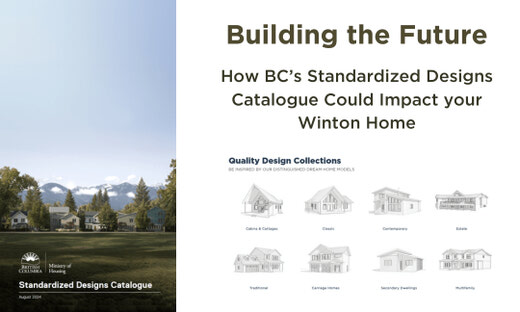
The British Columbia Ministry of Housing recently introduced its new Standardized Designs Catalogue, part of the Homes for People Action Plan. With this, the province aims to fast-track the construction of more affordable homes.
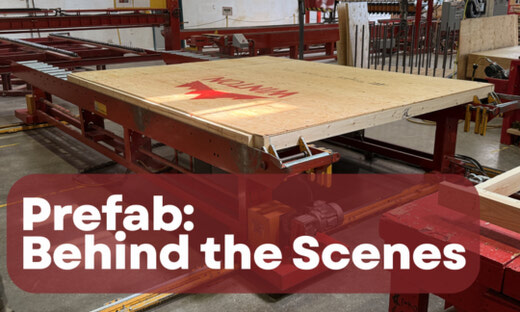
Factory process where technology meets human ingenuity. A look into the work that make the prefab process smooth, efficient and hassle-free!
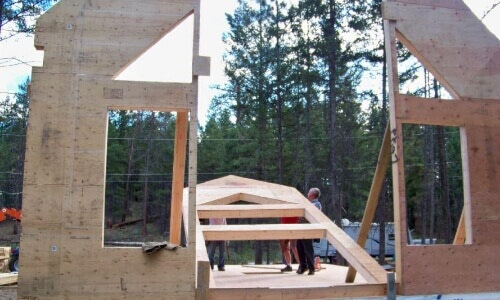
While modular homes are indeed a type of prefab construction, they differ significantly from what we offer. In this article, we'll clarify the differences between modular and panelized prefab homes and why choosing Winton is a unique experience.