
Prefab Green Initiative: Reduced Construction Waste
 |
When it comes to building a home, sustainability isn’t just about energy efficiency once you move in—it starts long before that, during production. One of the biggest environmental advantages of prefabricated construction is its ability to significantly reduce material waste compared to traditional on-site builds.
Prefab vs. Conventional Construction Waste
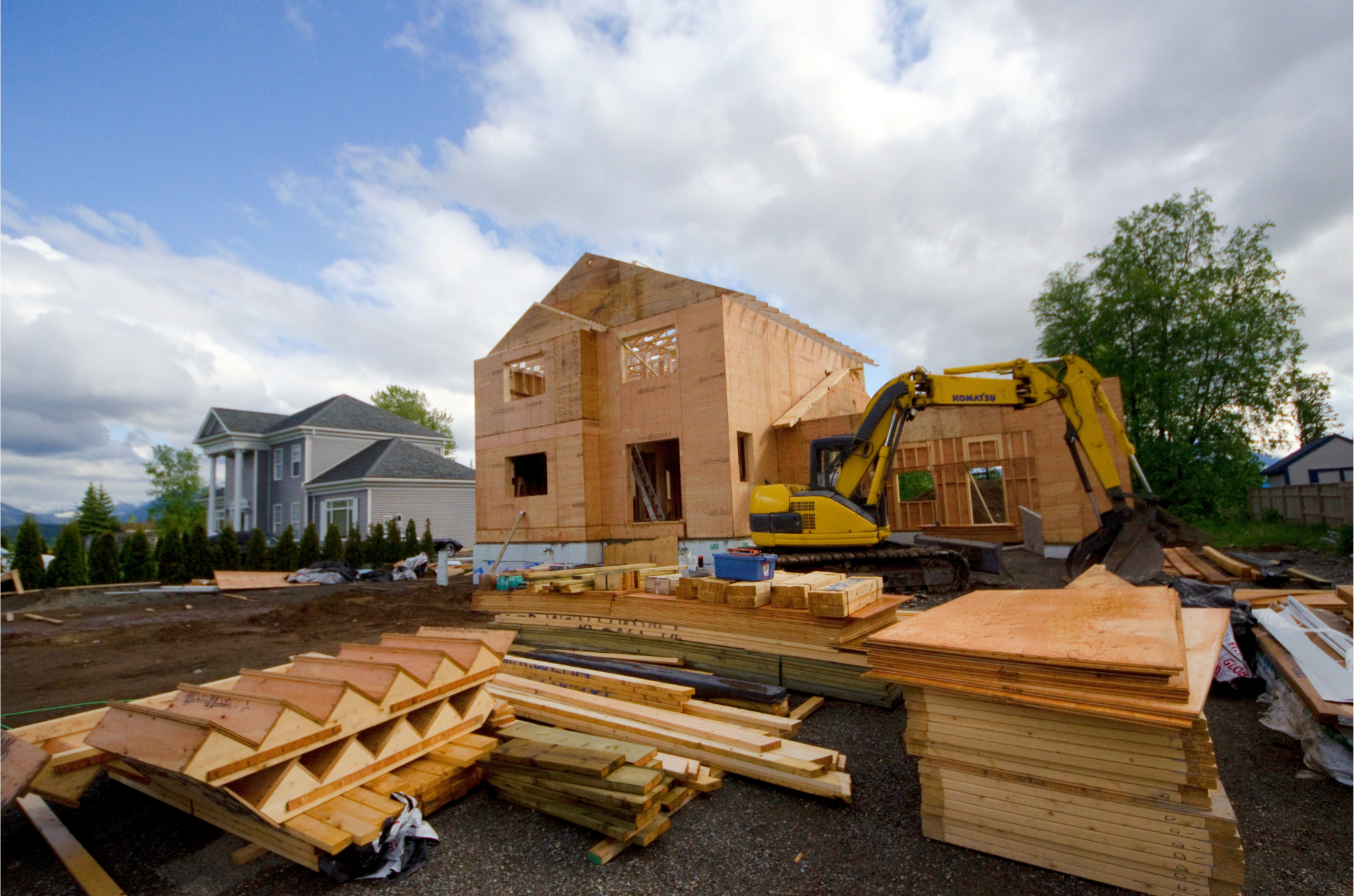
In a conventional build, materials are delivered to the job site in bulk. Lumber is cut outdoors, often exposed to weather, uneven ground, and tight timelines. Off-cuts, damaged materials, and mismeasured pieces frequently end up in the dumpster. These leftovers are rarely reused and typically head straight to landfill.
Prefab construction works differently.
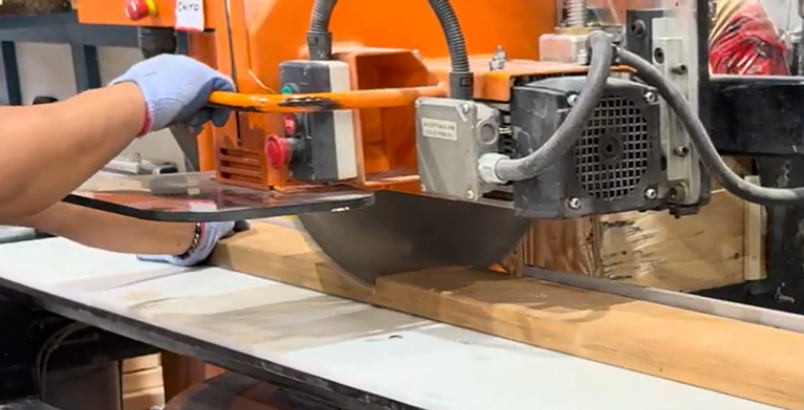
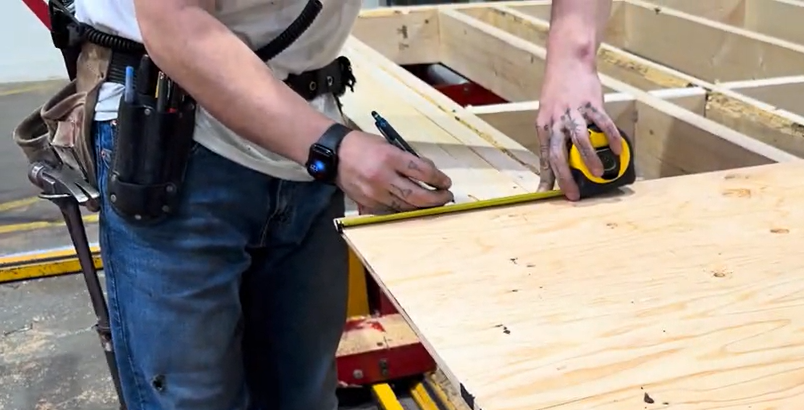
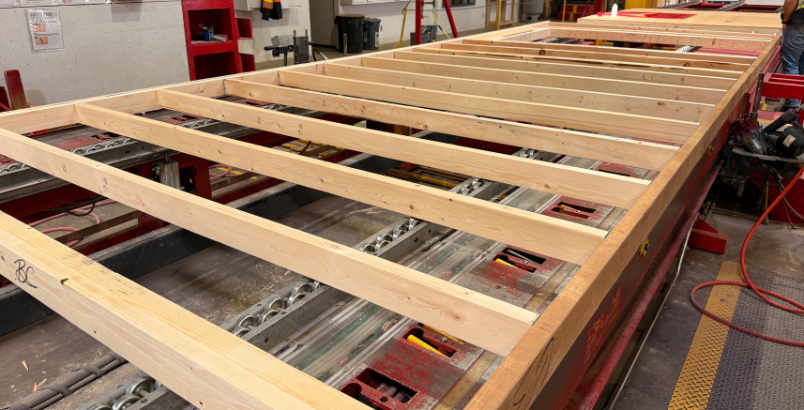
Because prefab components are built in a controlled factory environment, every cut is planned, measured, and optimized before production begins. This precision dramatically reduces errors and excess materials, helping ensure that what’s ordered is what’s used.
How Factory Building Minimizes Waste
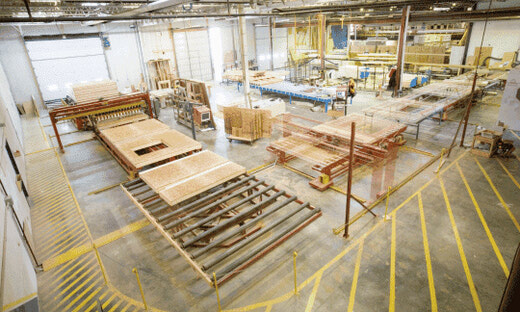
In a prefab facility, materials are used as efficiently as possible. Wall panels, floor systems, and roof components are engineered in advance, allowing teams to reuse smaller sections wherever they fit best. This level of planning simply isn’t achievable on a typical outdoor job site.
 |
 |
 |
Less Waste, Lower Impact
Reducing construction waste has a ripple effect. Fewer discarded materials mean:
-
Less landfill contribution
-
Lower demand for raw resources
-
Reduced transportation and disposal emissions
All of this adds to a more environmentally responsible way to build—without compromising quality or performance.
Building Smarter from the Start
Using higher-quality lumber also plays an important role in reducing construction waste throughout the building process. Premium materials, such as kiln-dried and precision-manufactured lumber, are more consistent in size, straighter, and less prone to warping, twisting, shrinking, or defects compared to lower-grade alternatives. This means fewer materials are rejected, less cutting and rework are required, and there is less waste generated during production. Higher-quality lumber also contributes to better long-term performance, helping reduce the likelihood of repairs or replacements down the road. When combined with prefabrication and precision manufacturing methods, quality materials help maximize efficiency while minimizing unnecessary waste both during construction and throughout the life of the home.
Building Prefab is Thinking Green
Prefab construction proves that greener building isn’t just about the finished home—it’s about how that home is made. By maximizing material use, minimizing waste, and giving leftover materials a second life, prefab building supports a more sustainable construction process from day one.
If reducing environmental impact is part of your building goals, prefab construction offers a smart, forward-thinking path to get there.
Contact Winton Homes today to start planning your Prefab Home!
More Blogs
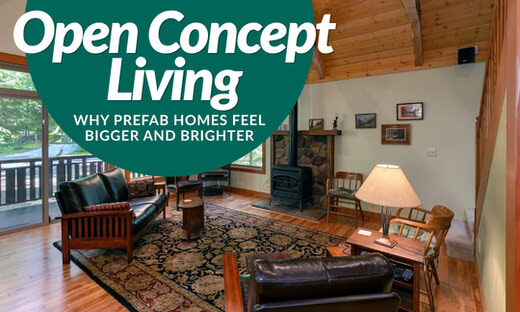
Open concept living has become one of the most sought-after design styles in modern homes and with good reason. By removing certain walls and barriers, this creates a seamless flow between key living spaces like the kitchen, dining, and living room areas.
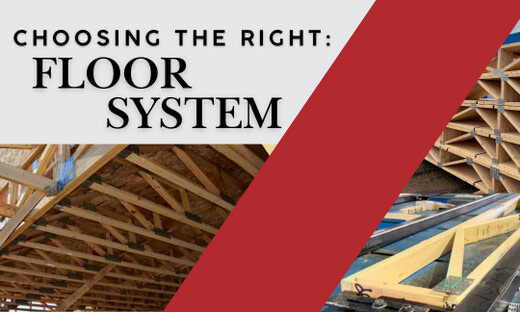
When planning a new home or cottage, the floor system you choose plays a major role in overall performance, comfort, and long-term durability.
Winton Homes is proud to be an active participant in the BC Housing Level Up Manufacturers roundtable project, an initiative dedicated to revolutionizing the way we think about and build mid-rise residential buildings.
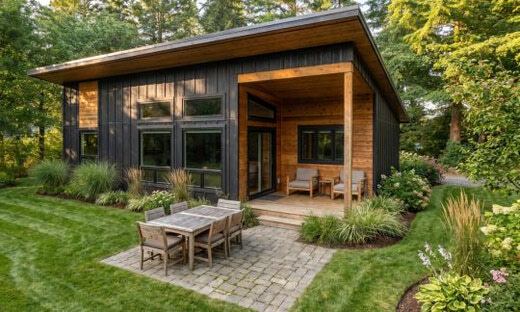
Building a home is one of the biggest investments you'll make, and deciding how it will be built is just as important as choosing the design itself. While traditional stick-built construction remains common, more homeowners across Western Canada...
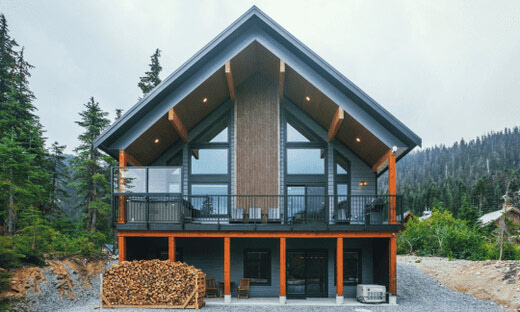
As your Step Code Solutions provider, Winton invites you to explore our WINTON PROLINE Advanced Building Solutions. Here, we blend your unique vision with energy-saving options so your home is ready for tomorrow's world.
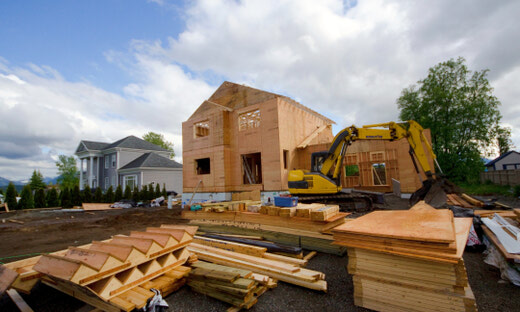
As Canada continues to face an ever-growing demand for housing, recently the Prime Minister announced the Build Canada Homes (BCH) initiative, a national plan focused on accelerating the creation of affordable and sustainable homes across the country.
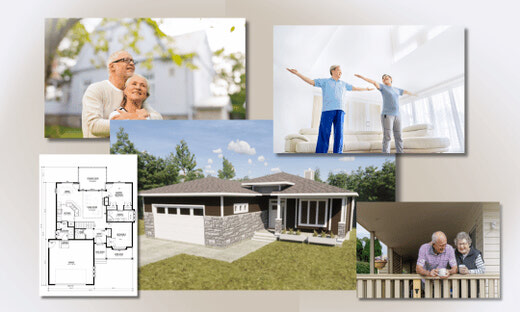
As we or our loved ones approach retirement, finding a home that suits a leisurely, comfortable lifestyle becomes a priority. At Winton Homes, we help craft forever homes that will support you through the golden years.
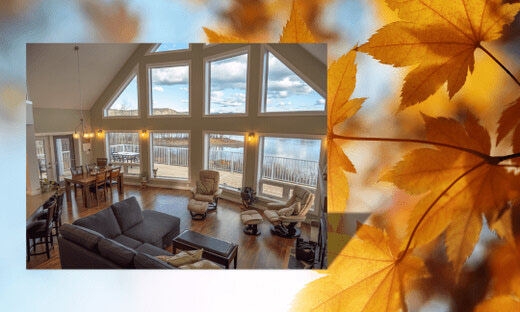
Winton's contemporary designs offer the ideal setting for fall, with open-concept layouts, large windows, and spaces that invite the beauty of the season inside.
Winton is the right choice for commercial and residential customers constructing assemblies that meet the intermediate steps of the BC Energy Step Code. See how we can help you meet the highest levels of energy performance.
For Weekend Warriors, the call of the open road and the allure of nature never fades. Whether it's spontaneous weekend getaways or well-planned adventures to scenic destinations, the thrill of travel and exploration is part of your lifestyle.
Prefab homes, represented by leaders in the field like Winton Homes and Cottages, hold significant promise as part of the solution to Canada's housing crisis.
By partnering with Winton, you can expand your business, take on more projects, and deliver quality builds with speed and precision. Discover how Winton Homes is the smart, scalable solution for contractors and developers across Western Canada.
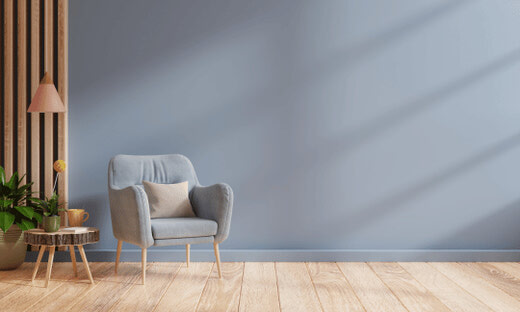
At Winton Homes, we're at the forefront of these innovations, offering customizable designs that cater to the latest trends. Here's a glimpse of what's happening in prefab home design for 2024.
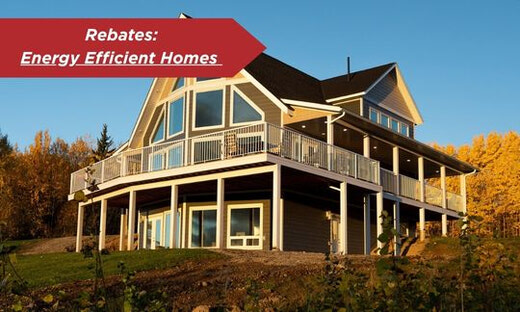
Thinking about upgrading your home? Choosing energy-efficient options isn't just good for the planet---it can also put money back in your pocket.
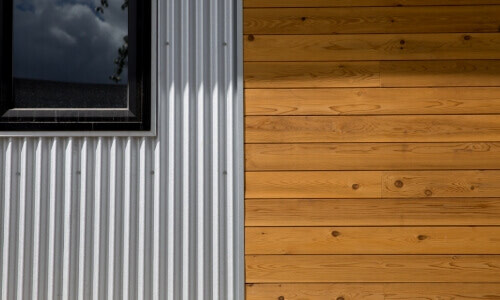
Selecting the perfect colour scheme for your Winton prefab home is an exciting step in the design process. Your exterior sets the tone, making a lasting first impression---so choose colours that reflect your style and enhance your home's beauty.
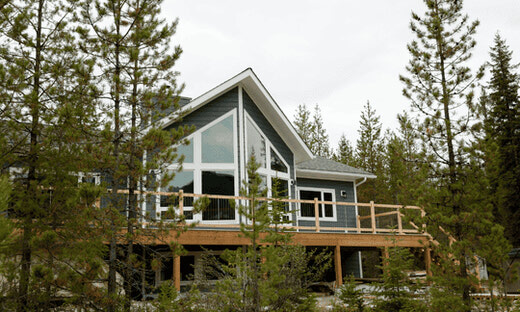
Whether you're entering a new chapter, building your dream retreat, or creating a home base for generations to come, our Classic designs are built to suit your needs.
Share the Experience, Reap the Rewards! We're excited to introduce our new referral program, designed to reward you for spreading the word about Winton Homes.
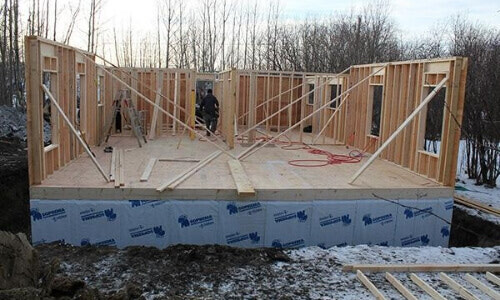
While it might seem counterintuitive to build in colder months, it can be a practical and cost-effective choice. In this article, we'll explore the compelling reasons why building in the off-season can be a smart decision.
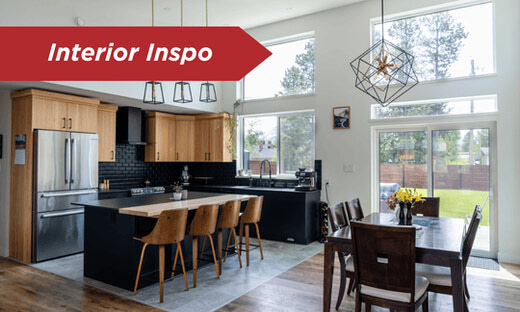
Prefab homes offer a unique blend of efficiency and modern design, but styling them to reflect your personal style requires the right touch. Inspiration is everywhere --- bringing your dream aesthetic to life can be easier than you think!
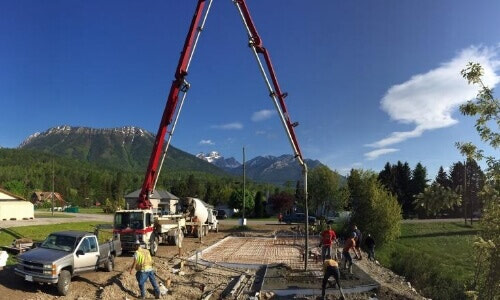
Winton Homes in Prince George specializes in building prefabricated homes BC residents love. We make the process of building a factory-built home and cottage easy. Learn more about how it works.
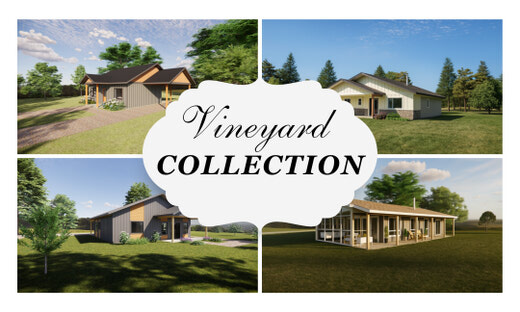
The Vineyard Collection were designed with accessibility, comfort, and leisure in mind. For easy living each plan is a single-story, step-free home. These homes feature wider doorways, accessible layouts, covered entries and carports, and inviting patios.
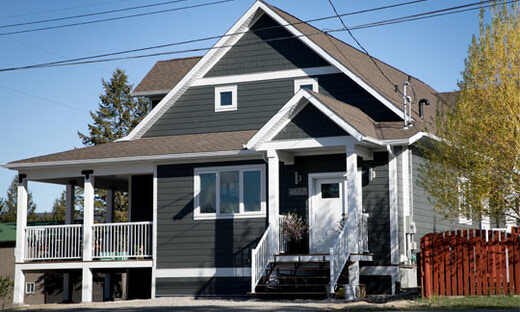
Discover expert insights to build your ideal home while staying financially savvy with Winton Homes. Explore cost-effective solutions and get a clear budget roadmap.
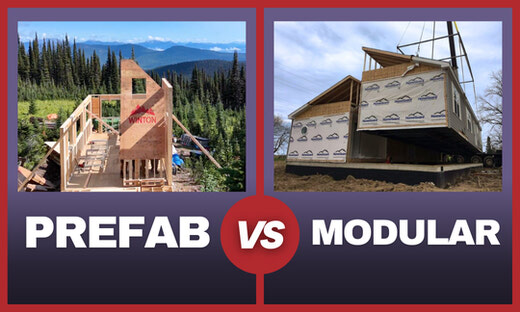
You've probably seen the terms prefab and modular used---sometimes interchangeably. While both offer faster build times and improved quality control compared to traditional site-built homes, they're not the same thing.
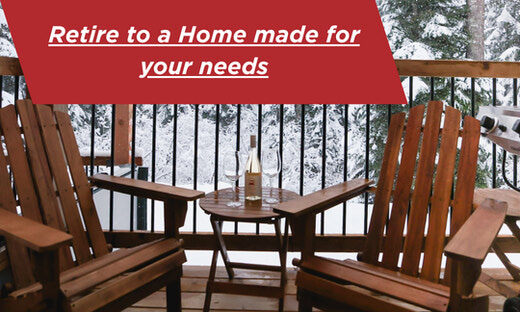
Retirement is about slowing down and enjoying life in a home that truly suits you. At Winton Homes, we design spaces that are simple, low-maintenance, and easy to navigate---whether you're downsizing or seeking comfort and convenience first.