
Choosing the Right Floor System:
2x10s vs. I-Joists vs. Floor Trusses
When planning a new home or cottage, the floor system you choose plays a major role in overall performance, comfort, and long-term durability. Today’s builders typically consider three main options: traditional 2x10 dimensional lumber, engineered I-joists, and open-web floor trusses. While each has its place, the differences in structure, strength, and versatility can dramatically impact how your home feels and functions.
Here’s a deeper look at how these systems compare—and why floor trusses are becoming the preferred choice for modern construction.
2x10 Dimensional Lumber: The Traditional Approach
For decades, 2x10 lumber has been a go-to option for floor framing. It’s simple, widely available, and familiar to most builders. However, as homes have evolved to feature more open layouts and longer clear spans, the limitations of dimensional lumber have become more apparent.
2x10s can be prone to shrinking, twisting, and warping over time, which can lead to squeaky floors or uneven surfaces. The time it takes to find the competent 2x10s and check the crowns on each one adds to the overall timeline of the build. Their structural capacity also limits how far they can span without support, often requiring more beams, posts, or walls. For homes requiring wide-open spaces or complex mechanical runs, this traditional option may not offer the flexibility homeowners expect.
|
Source: k.engel.construction |
Source: Turkstra |
I-Joists: Engineered Strength with Some Limitations
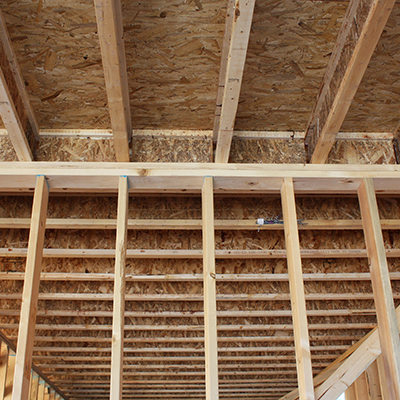
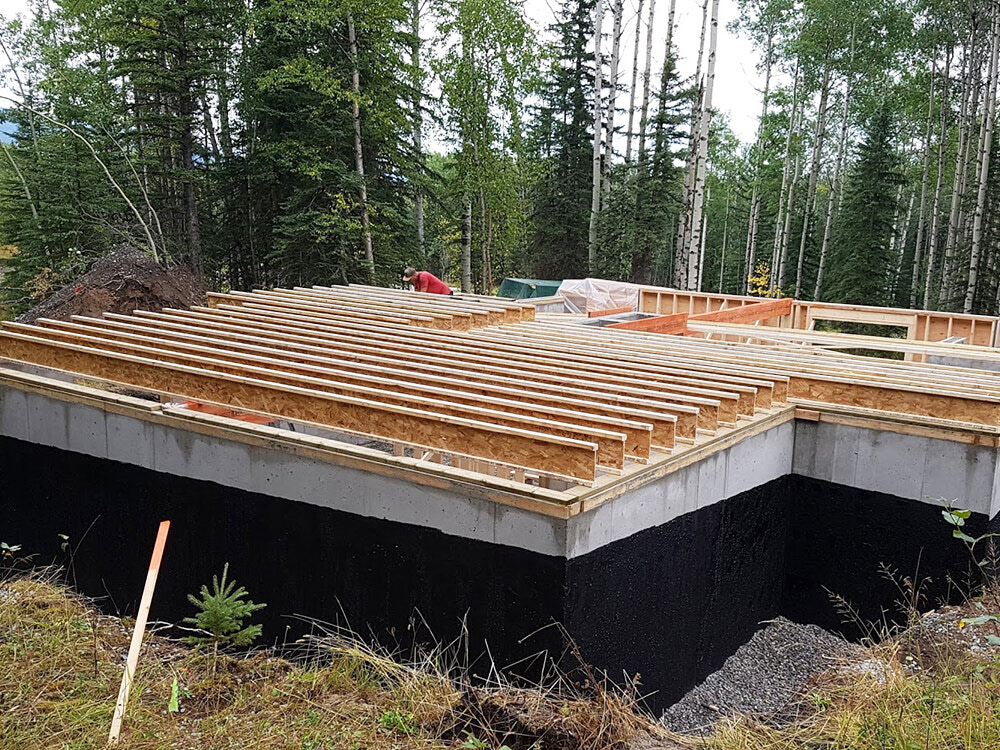
Engineered I-joists offer a step up from standard lumber. Made from flanges of solid wood or LVL bonded to an OSB web, they provide consistent performance and can span greater distances than dimensional lumber. Their uniformity helps reduce floor movement and improve sound performance.
However, I-joists still come with limitations. The OSB web restricts the size and placement of openings for electrical, plumbing, and HVAC systems. While small holes can be strategically placed, larger mechanical runs often require careful planning—or costly workarounds. In homes with advanced mechanical systems or custom layouts, this can add friction to the build process.
 |
 |
Floor Trusses: Superior Strength, Flexibility, and Efficiency
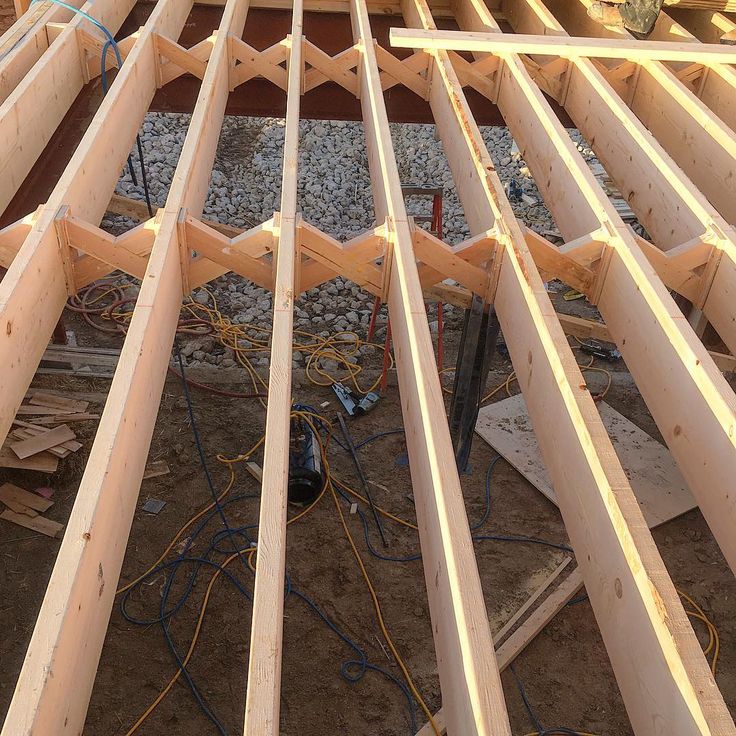
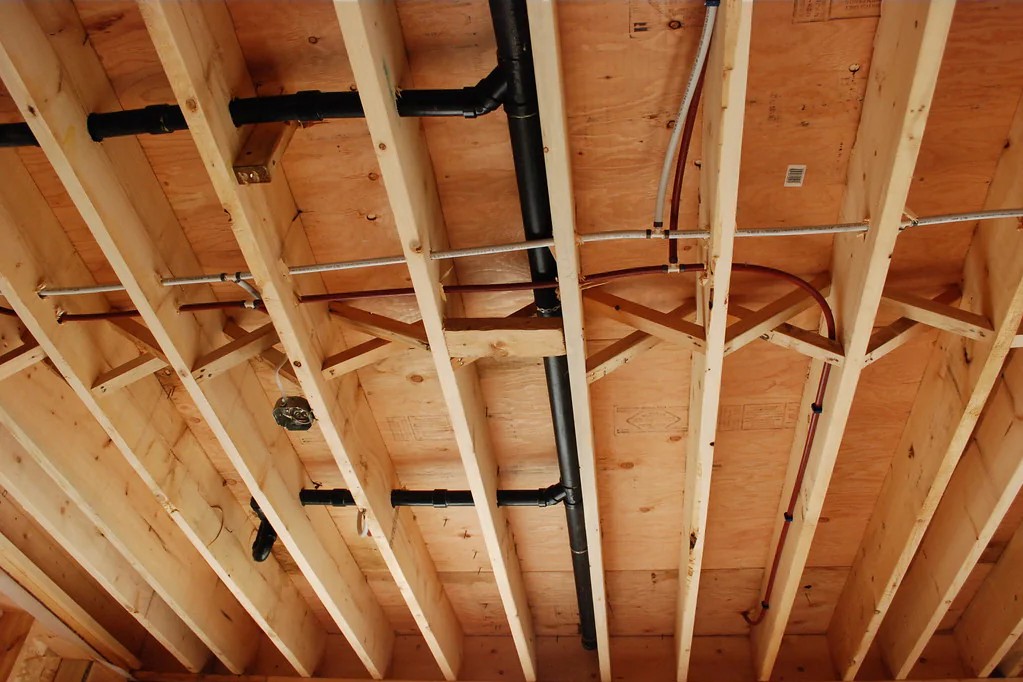
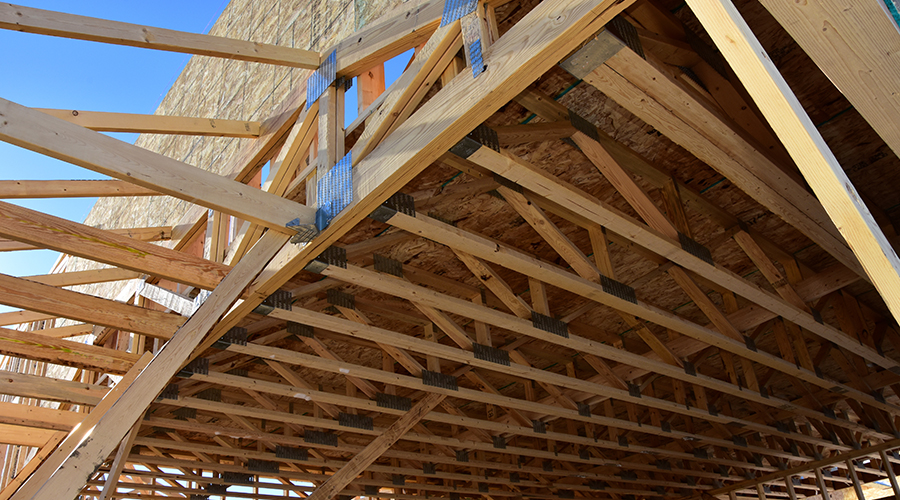
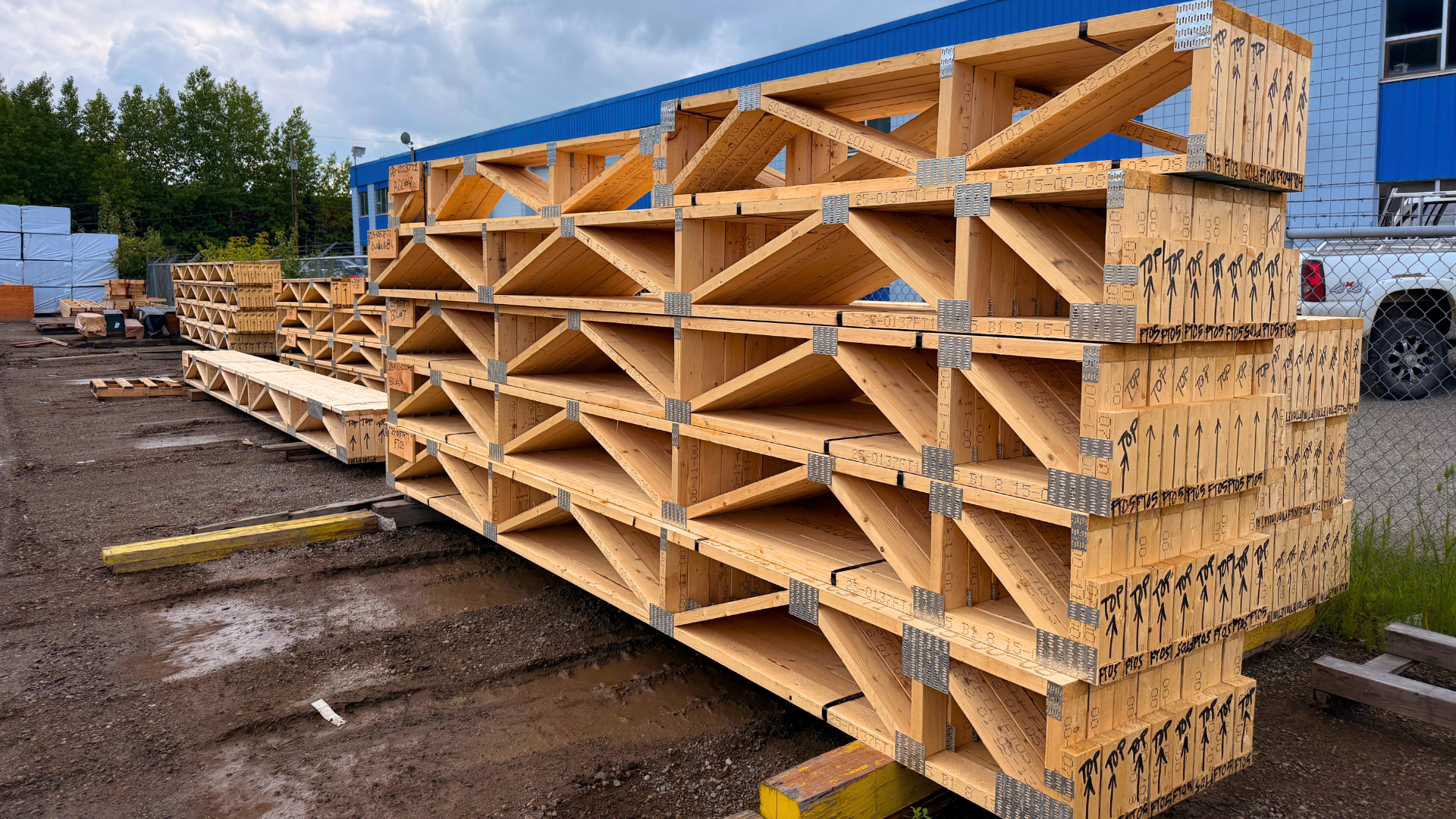
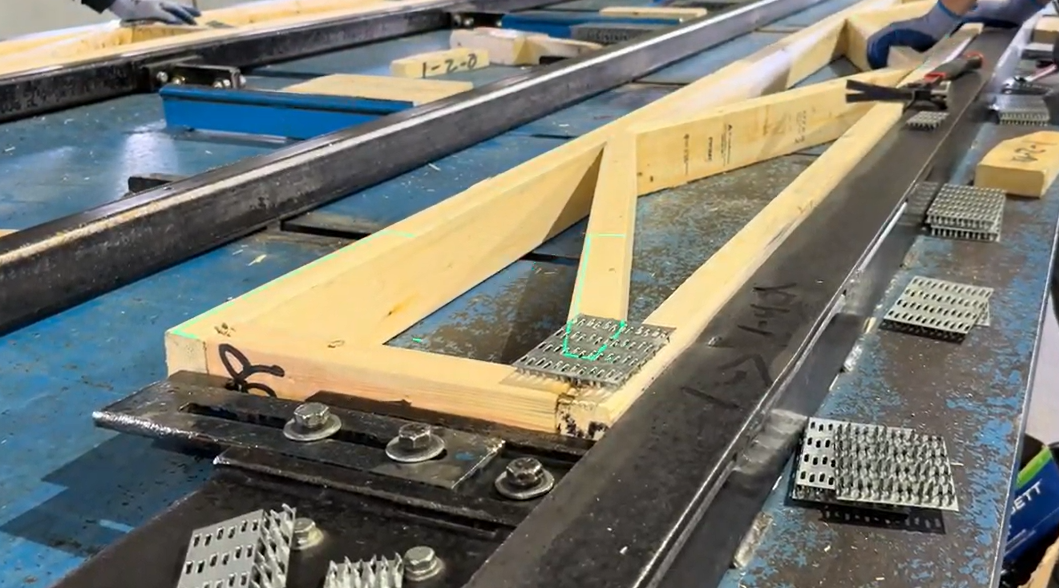
Floor trusses stand apart thanks to their open-web design and engineering precision. Built off-site in controlled environments, they’re designed to meet exact spans, loads, and layout needs. This factory-engineered consistency creates a stable, predictable floor system that resists shrinkage, twisting, and movement.
But the biggest advantage? Unmatched flexibility.
The open-web structure allows mechanical systems—ducting, plumbing, wiring—to pass through freely without cutting, drilling, or notching. This eliminates many installation constraints and gives builders more freedom to design open-concept spaces without unnecessary bulkheads or dropped ceilings. Homes benefit from stronger, straighter floors and faster installation times with fewer on-site adjustments.
The ability to span long distances also reduces the need for interior bearing walls, making it easier to achieve large living areas, tall basements, and versatile floor plans.
 |
 |
 |
Why Floor Trusses Come Out on Top
While each floor system has its place, floor trusses consistently offer the best balance of strength, efficiency, and design flexibility—especially for modern prefab and custom homes. Builders appreciate the speed and accuracy of pre-engineered components, and homeowners enjoy quieter, more stable floors with fewer long-term issues.
Questions? Contact a Winton Specialist Today!
More Blogs
Open concept living has become one of the most sought-after design styles in modern homes and with good reason. By removing certain walls and barriers, this creates a seamless flow between key living spaces like the kitchen, dining, and living room areas.
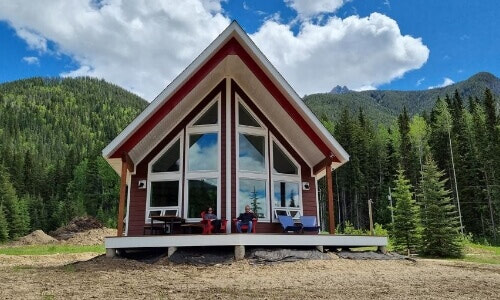
With rising interest rates, limited housing supply, and increasing rental costs across Canada, homeownership is becoming more challenging. A prefab home from Winton Homes offers a smarter, more affordable way to own property.
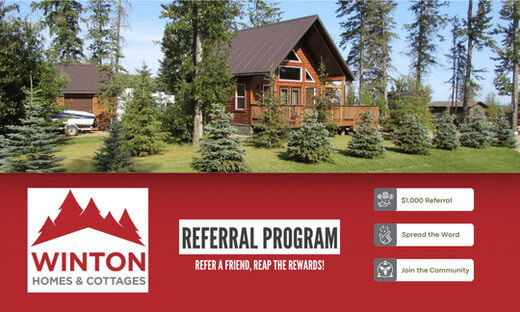
Share the Experience, Reap the Rewards! We're excited to introduce our new referral program, designed to reward you for spreading the word about Winton Homes.
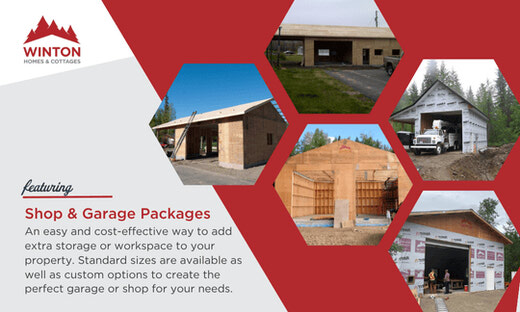
If you own land in or around Prince George, you're already halfway to the dream setup: space, freedom, and potential. But what's missing? A Winton Garage Package!
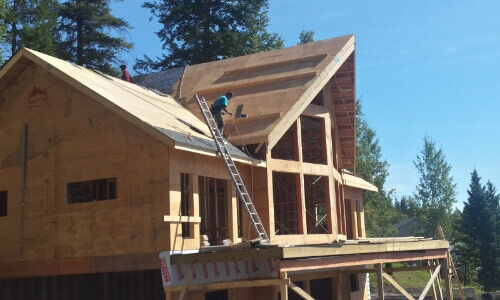
While both options have their merits, it's essential to consider their environmental impacts to make an informed decision for your home.

As spring unfolds its vibrant colors, it's the perfect time to breathe new life into your Winton home and prepare for the seasons ahead.
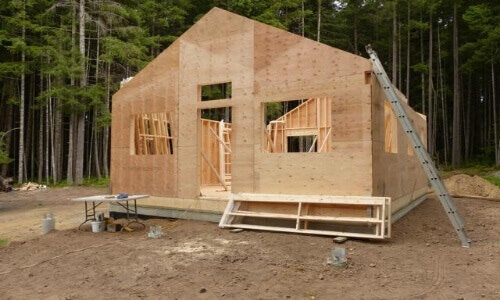
One of the most common questions we get asked at Winton Homes is, "How long does it take to build a prefab home?" And the answer is...
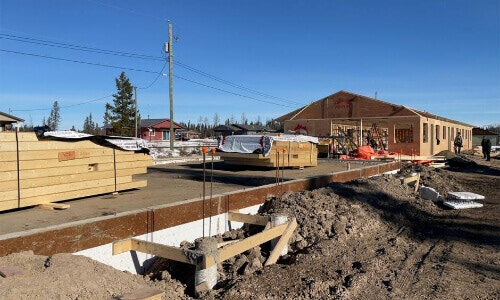
By partnering with Winton, you can expand your business, take on more projects, and deliver quality builds with speed and precision. Discover how Winton Homes is the smart, scalable solution for contractors and developers across Western Canada.
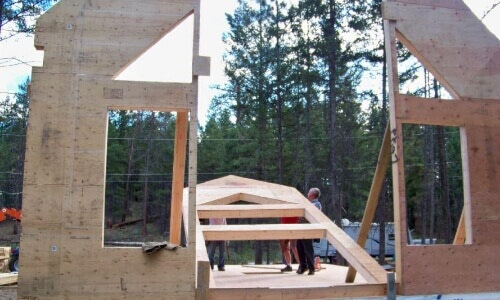
While modular homes are indeed a type of prefab construction, they differ significantly from what we offer. In this article, we'll clarify the differences between modular and panelized prefab homes and why choosing Winton is a unique experience.
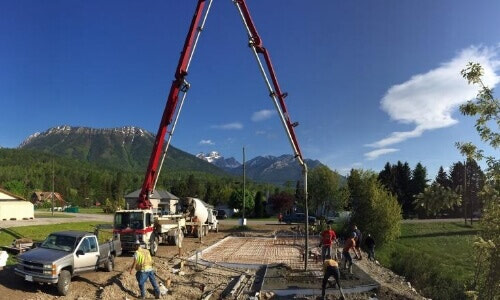
Winton Homes in Prince George specializes in building prefabricated homes BC residents love. We make the process of building a factory-built home and cottage easy. Learn more about how it works.
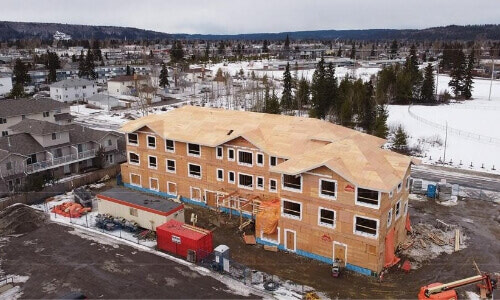
Winton is the right choice for commercial and residential customers constructing assemblies that meet the intermediate steps of the BC Energy Step Code. See how we can help you meet the highest levels of energy performance.
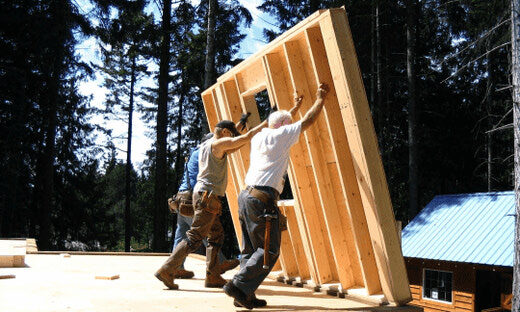
Prefab homes, represented by leaders in the field like Winton Homes and Cottages, hold significant promise as part of the solution to Canada's housing crisis.
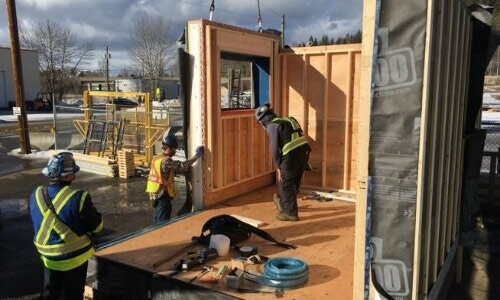
It's not easy running a construction business these days, especially when you find yourself short on skilled workers at the job site. Learn how Winton's prefab components can help you save time and expenses.
While both options have their merits, it's essential to consider their environmental impacts to make an informed decision for your home.
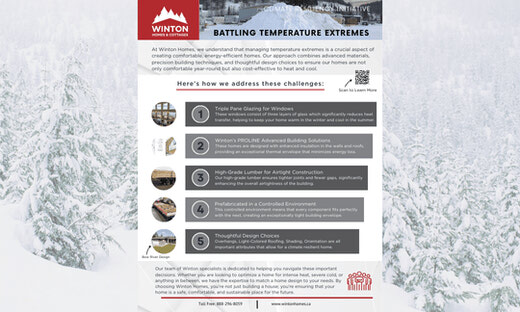
As we continue to experience more severe temperature fluctuations, it's increasingly important to ensure our homes can withstand these extremes. Here's how we're tackling temperature extremes.
At Winton Homes, we believe that the strongest communities are built through collaboration. That's why we're excited to announce the launch of our new webpage, Collaborative Projects and Partners.

There's something magical about stepping out of your Winton Home into the crisp evening air, laying back, and watching the universe unfold above you. If you've been dreaming of a night under the stars, here's everything you need.
Building a home is one of the biggest investments you'll make, and deciding how it will be built is just as important as choosing the design itself. While traditional stick-built construction remains common, more homeowners across Western Canada...
Winton Homes stands with all the communities that have been affected by wildfires, offering support and resources during these challenging times.
Our energy-saving solutions are built right into the framing! With our Advanced Building Solutions, you'll enhance your comfort throughout the seasons and save yourself money down the line. Read how.
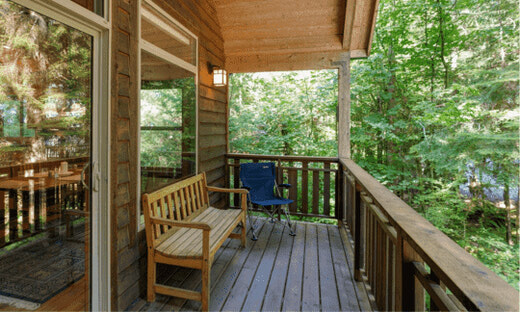
If you're among the growing number of Canadians seeking a smaller, more affordable, and customizable living space, Winton Homes & Cottages is here to make that dream a reality.
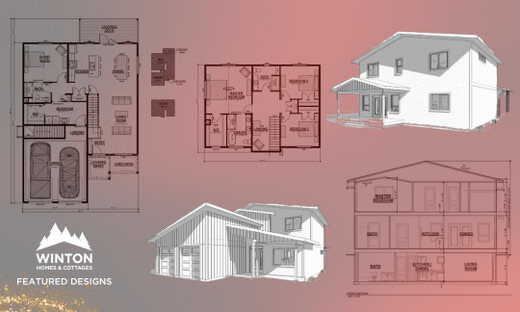
Smart, Stylish, and Built for Your Lifestyle.
We understand that home design is about more than just aesthetics---it's about practicality, affordability, and creating spaces that fit your life.
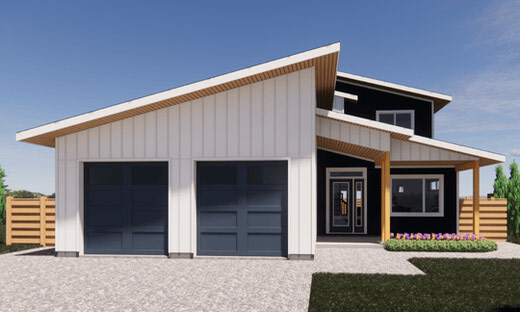
Imagine a home that not only offers more space but also generates additional income---sounds too good to be true, right? Winton's new 3-unit suite design does exactly that, and it's changing the way families and investors think about home ownership.
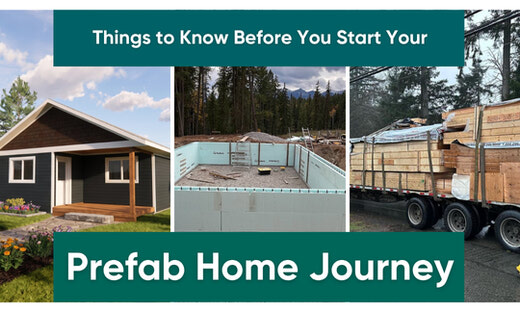
While prefab construction simplifies many parts of the process, there are still important decisions to make before your project begins. Here's what you should know before starting your prefab journey.