
Things to Know Before You Start Your Prefab Home Journey
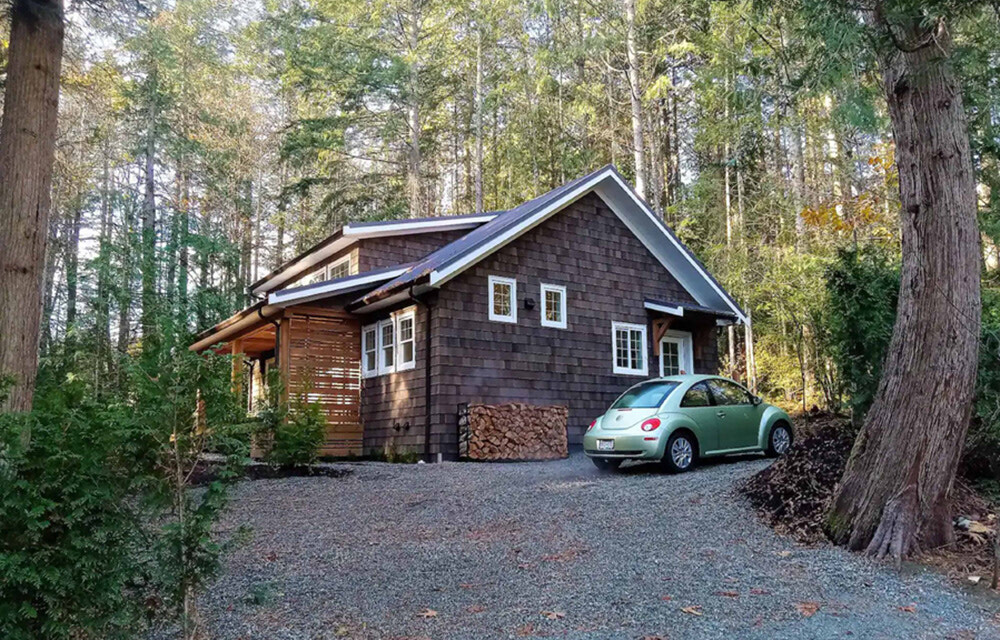 |
Building a prefab home is an exciting step toward a more efficient, streamlined way of creating your future space. While prefab construction simplifies many parts of the process, there are still important decisions to make before your project begins. From securing land to understanding energy requirements and planning your build team, here’s what you should know before starting your prefab journey.
Acquiring Your Land Plot
Before selecting a prefab home design, it’s essential to secure your building site—or at least understand its limitations. Factors such as zoning, building bylaws, access, slope, soil conditions, and utility availability can all influence what type of home and foundation will work best.
Some lots may require additional preparation, such as driveway access for delivery trucks or geotechnical assessments for foundation planning. Understanding these details early helps avoid surprises later and ensures your prefab package is designed to suit your specific site.
Step Code & Energy Efficiency Requirements (Area-Specific)
Energy efficiency requirements vary by region, and many areas now follow step-based energy codes that outline increasing levels of performance. These standards can impact everything from insulation levels to window selection and mechanical systems.
It’s important to know which step code applies to your location before finalizing your home design. Planning for energy efficiency from the start not only ensures compliance but can also lead to long-term savings, improved comfort, and a more future-ready home.
Choosing the Right Foundation Type
Your foundation plays a critical role in the performance, durability, and cost of your prefab home. The right choice depends on your site conditions, climate, and intended use of the space.
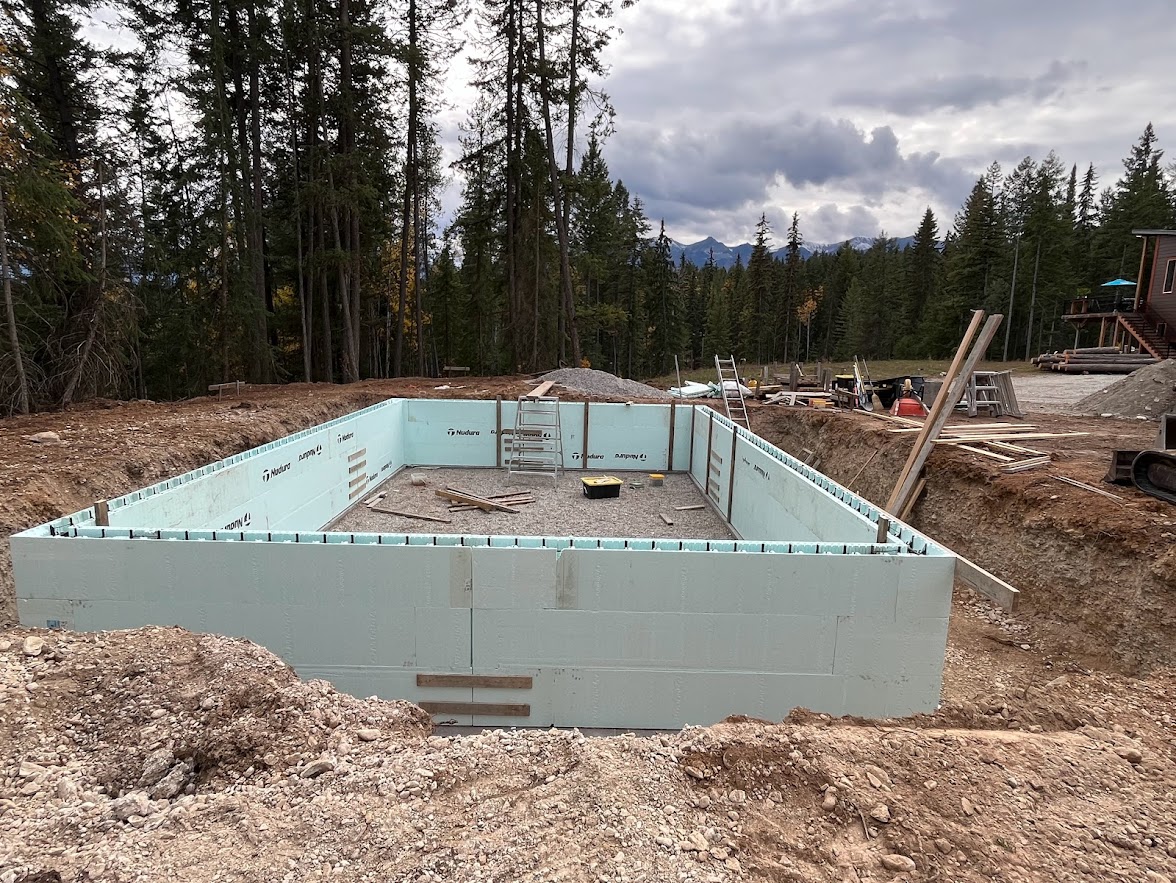 |
A slab-on-grade foundation is poured directly at ground level and is often chosen for its simplicity, affordability, and energy efficiency. It works well on flat sites and is popular for step-free, accessible home designs.
Basements provide additional living or storage space and are ideal for colder climates or sloped lots. They require more excavation but offer flexibility for future use, such as rental suites, workshops, or recreation rooms.
A crawl space elevates the home slightly above ground, allowing access to plumbing and mechanical systems while keeping construction costs lower than a full basement. This option works well on uneven sites and in areas with moisture considerations.
|
Designing Your Prefab Home
One of the biggest advantages of prefab construction is the ability to customize key structural and aesthetic elements while benefiting from factory precision.
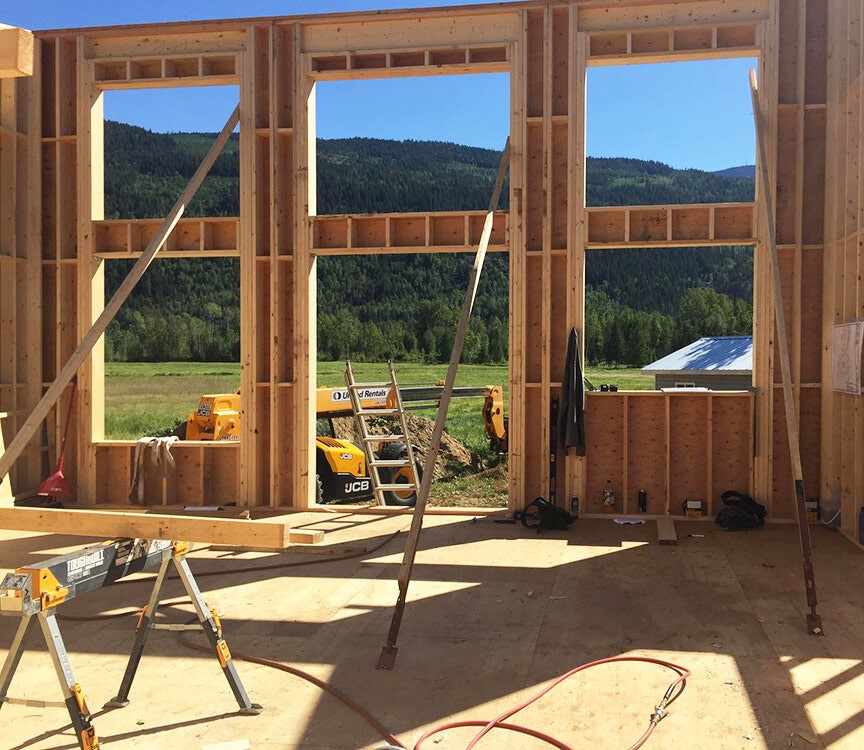
| Wall Panels Panelized wall systems are built in a controlled environment for accuracy, strength, and efficiency. This results in faster on-site assembly and consistent quality throughout the structure. |
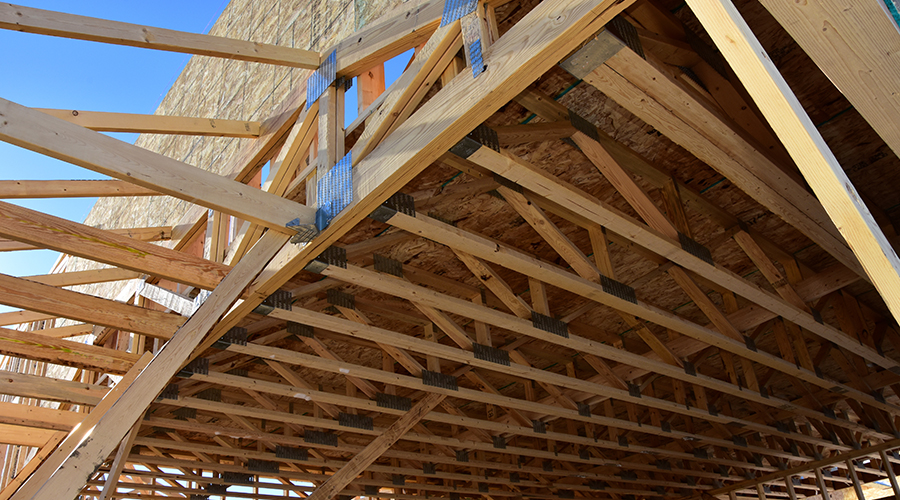
Floor Systems Floor systems can be tailored to span longer distances, support open-concept layouts, and accommodate plumbing and mechanical runs—improving both performance and design flexibility. |
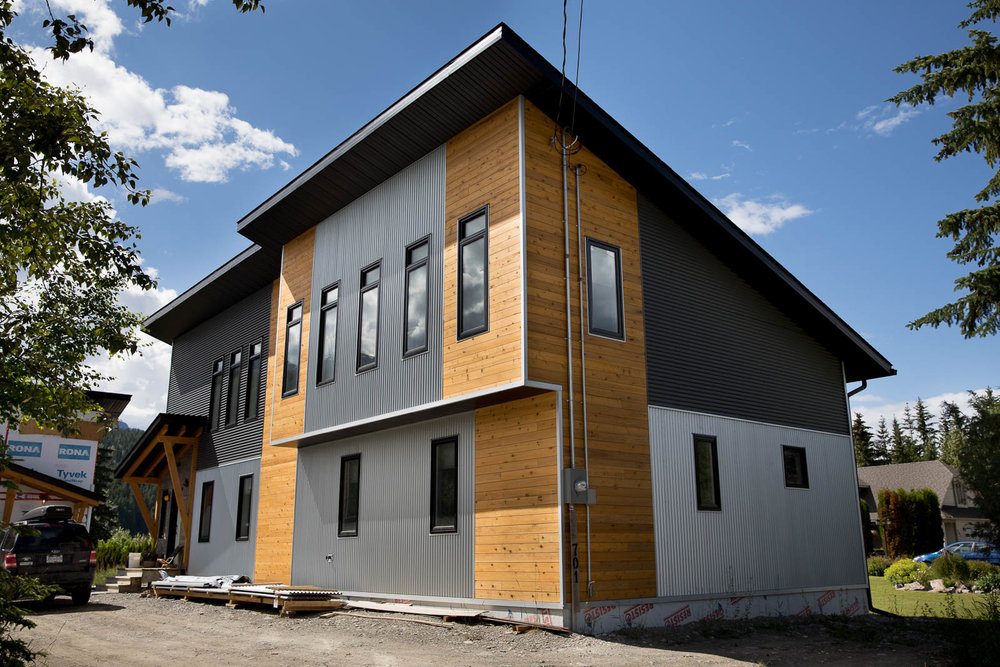
Exterior Finishes From siding and trim to roofing and colour palettes, exterior finishes allow you to personalize your home’s look while considering durability, maintenance, and climate suitability. |
 |
|
 |
Delivery Is Included—But Preparation Is Key
|
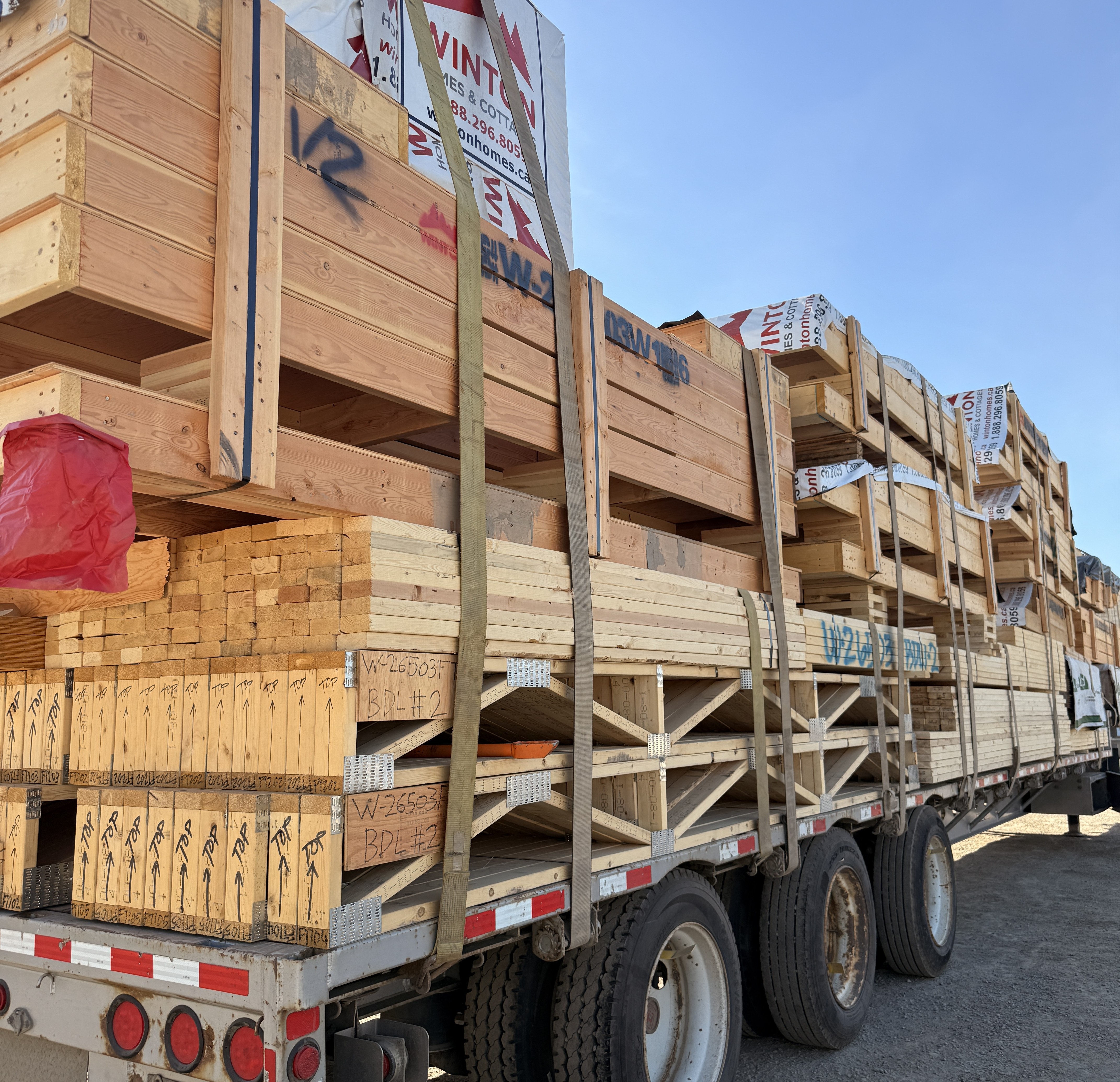
Prefab home delivery is typically included in your quote, giving you peace of mind when it comes to logistics. Your home package arrives on a drop-deck trailer, ready for unloading. You’ll need to arrange a crew with the appropriate off-loading equipment—such as a crane, forklift, or telehandler—depending on your site and package size. You’ll also need a qualified building crew to assemble the home on-site. If you plan to take a more hands-on approach, you may choose to act as your own builder. In that case, it’s important to inquire about owner-builder requirements and courses in your region to ensure you’re prepared and compliant. |
 |
Start Your Prefab Journey with Confidence
Prefab homes combine efficiency, precision, and flexibility—but the most successful projects start with the right planning. By understanding your land, local requirements, foundation options, and design choices ahead of time, you set the stage for a smoother build and a home that truly fits your lifestyle.
Contact Winton Homes today to start planning your Prefab Home!
More Blogs
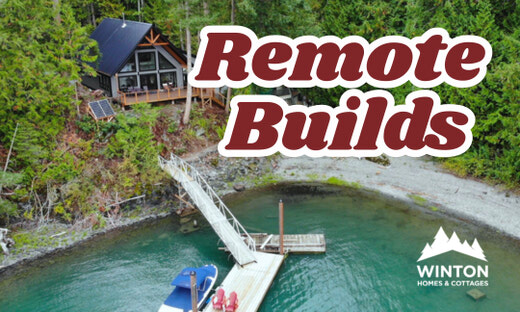
Whether you're building on an island, up a mountain road, deep in the forest, or at your lakefront getaway, Winton's remote-delivery expertise helps you get the structure you need, where you need it.
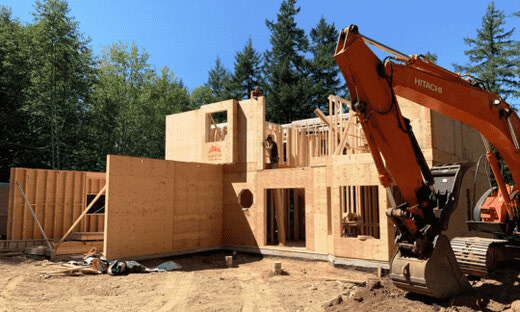
Winter planning? While it's a common misconception that winter brings construction activities to a halt, this season, in fact, offers a strategic starting point, particularly when aligned with spring and summer for the building phase.
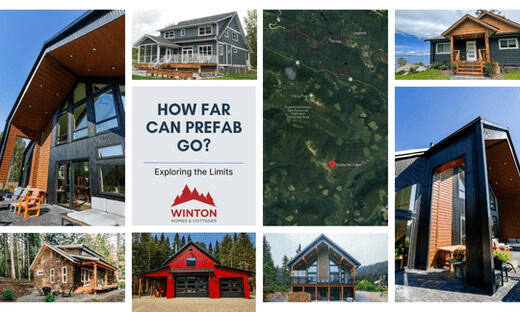
Prefab homes have come a long way from their humble beginnings. Today, the possibilities of prefabricated construction seem almost limitless, raising the question: how far can prefab really go?
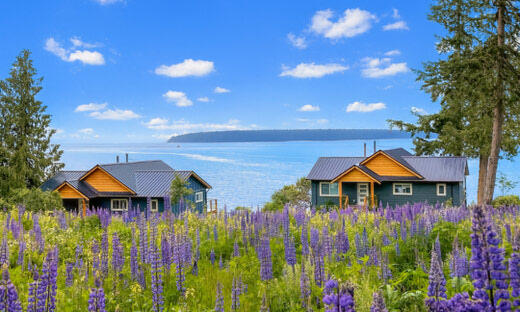
Imagine waking up to the sound of loons on a glassy lake, the scent of pine drifting through your open deck doors, or the view of snow-dusted peaks from your vaulted loft bedroom.
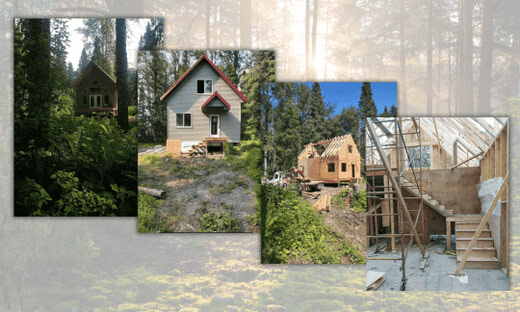
For Weekend Warriors, the call of the open road and the allure of nature never fades. Whether it's spontaneous weekend getaways or well-planned adventures to scenic destinations, the thrill of travel and exploration is part of your lifestyle.
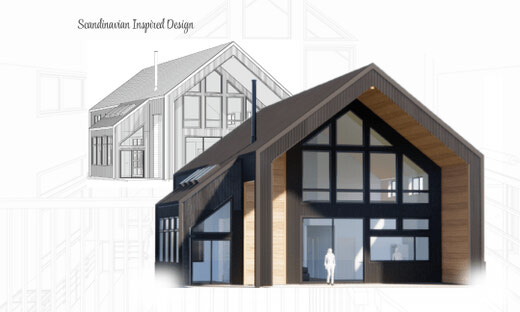
As we unveil our newest Scandinavian-inspired home, we're excited to highlight what makes this design style not only beautiful but practical---especially for those living in the varied climate of Western Canada.
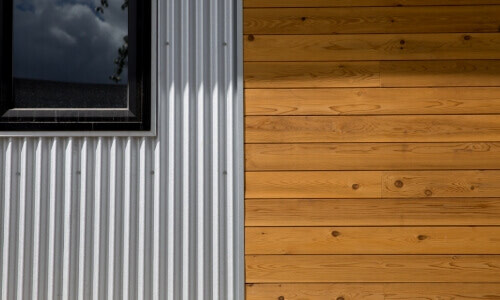
Selecting the perfect colour scheme for your Winton prefab home is an exciting step in the design process. Your exterior sets the tone, making a lasting first impression---so choose colours that reflect your style and enhance your home's beauty.
When it comes to finding your dream home, one big decision looms: should you build or buy? Each path has its own unique benefits, and knowing which is the best option for you can depend on many factors.
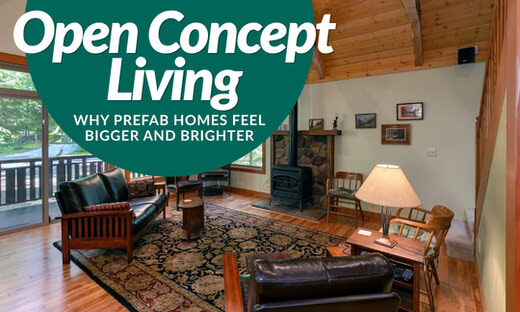
Open concept living has become one of the most sought-after design styles in modern homes and with good reason. By removing certain walls and barriers, this creates a seamless flow between key living spaces like the kitchen, dining, and living room areas.
As 2024 comes to a close, we at Winton Homes want to take a moment to reflect on the wealth of knowledge, insights, and inspiration shared through our blog this year.
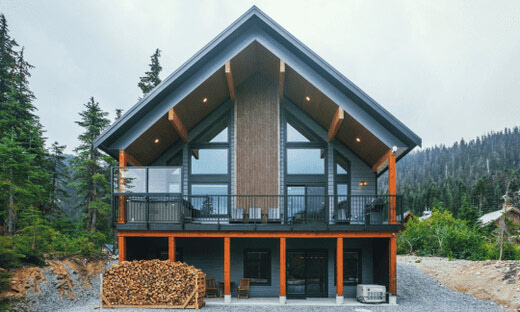
As your Step Code Solutions provider, Winton invites you to explore our WINTON PROLINE Advanced Building Solutions. Here, we blend your unique vision with energy-saving options so your home is ready for tomorrow's world.
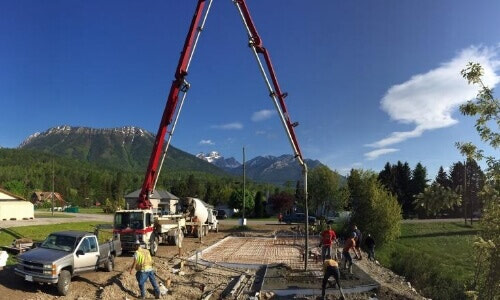
Winton Homes in Prince George specializes in building prefabricated homes BC residents love. We make the process of building a factory-built home and cottage easy. Learn more about how it works.
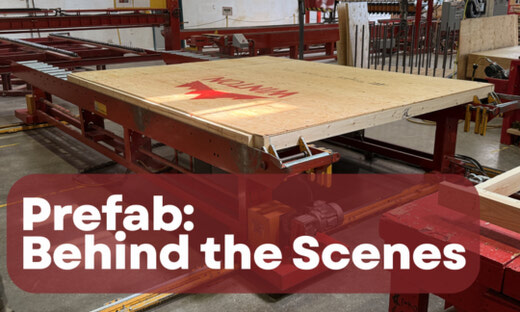
Factory process where technology meets human ingenuity. A look into the work that make the prefab process smooth, efficient and hassle-free!
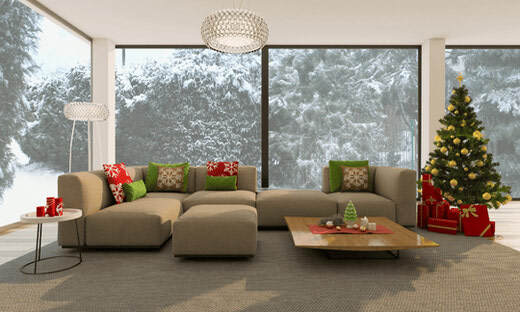
The holiday season is a time for family, warmth, and creating memories that will last a lifetime. At Winton Homes, we understand the importance of a home where these cherished moments can unfold.
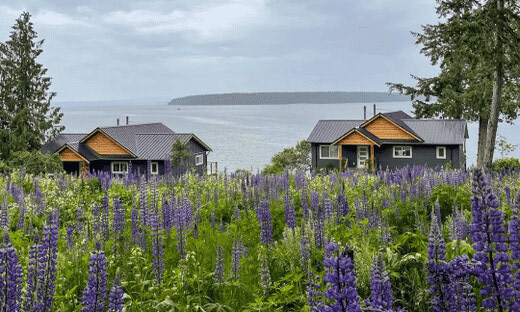
As spring unfolds its vibrant colors, it's the perfect time to breathe new life into your Winton home and prepare for the seasons ahead.
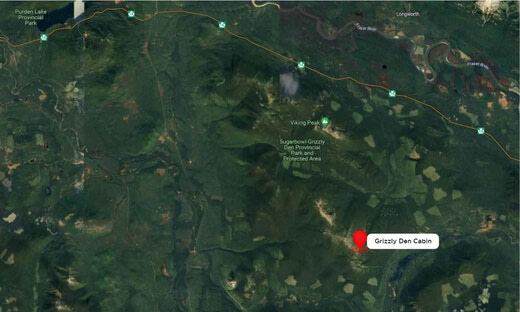
When it comes to delivering framing packages and structural building components to some of the most remote and challenging locations around the globe, Winton Homes has a long-standing history.
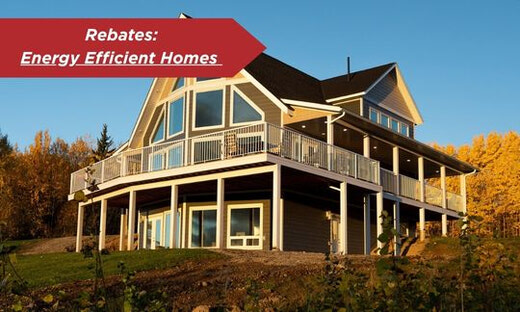
Thinking about upgrading your home? Choosing energy-efficient options isn't just good for the planet---it can also put money back in your pocket.
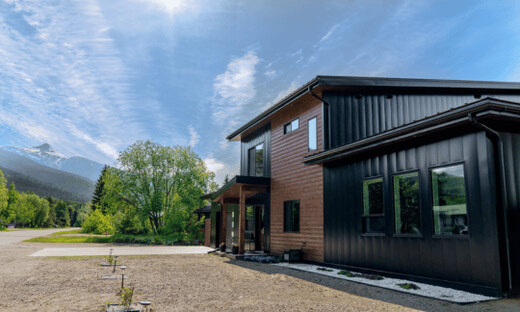
In this blog, we will explore what makes Winton Homes uniquely exceptional, highlighting our key features, luxury offerings, and unparalleled customer experience.
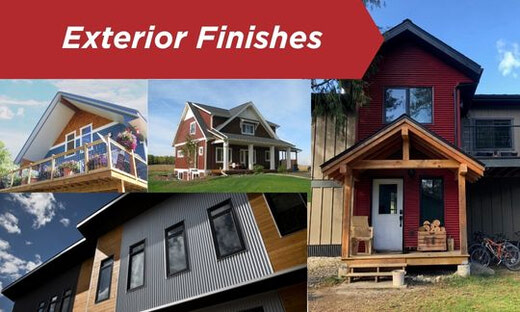
Alot may not know that Winton Home Packages not only come with the structure, fame and all necessary components, but also the exterior!
Whether you're building on an island, up a mountain road, deep in the forest, or at your lakefront getaway, Winton's remote-delivery expertise helps you get the structure you need, where you need it.
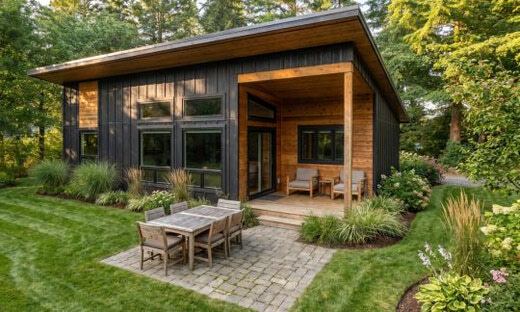
Building a home is one of the biggest investments you'll make, and deciding how it will be built is just as important as choosing the design itself. While traditional stick-built construction remains common, more homeowners across Western Canada...
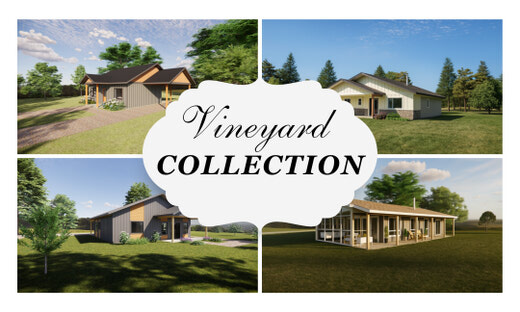
The Vineyard Collection were designed with accessibility, comfort, and leisure in mind. For easy living each plan is a single-story, step-free home. These homes feature wider doorways, accessible layouts, covered entries and carports, and inviting patios.
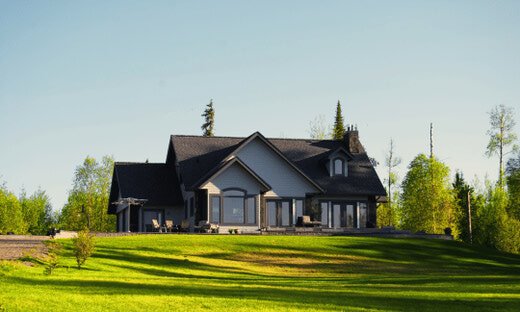
British Columbia is renowned for its stunning landscapes and vibrant communities. But which places are the happiest, and what role does housing, particularly prefabricated homes, play in this happiness?
At Winton Homes, we understand that your home is your sanctuary, and we're here to help you bring your renovation dreams to life using our high-quality structural building components.